FEFCO codes explained: a buyer's guide to the styles distributors sell most
What the four-digit FEFCO code actually tells you, how the 0201, 0427 and 0801 differ, and how to use the code to brief a corrugated manufacturer accurately.
By Tradepack ·
If you buy or sell corrugated packaging, you will have seen four-digit codes on quotes, drawings and stock lists: 0201, 0427, 0801. They are FEFCO codes, and understanding them is the fastest way to brief a manufacturer without ambiguity.
What the code is
FEFCO, the European Federation of Corrugated Board Manufacturers, publishes a catalogue of standard constructions. Every construction has a four-digit number. The first two digits identify the family; the last two identify the specific style within it.
The important thing to understand is what the code does not do. It says nothing about size, board grade, print or closure. Two 0201 boxes can be a shoebox in E flute and a pallet-sized double-wall case. The code tells you how the box is built, and that is all.
The families you will meet most
02 slotted types. One piece of board, glued (or stitched or taped) at one joint, with flaps top and bottom. The 0201, with outer flaps meeting in the middle, is the highest-volume corrugated style in existence. The 0200 is the same box without a top, used with a separate lid. The 0203 has full-overlap flaps for extra strength.
03 telescope types. Two-piece boxes where a lid fits over a base, such as the 0300 and 0301. Used where the contents need a deep, strong pack or where the lid needs to come off cleanly.
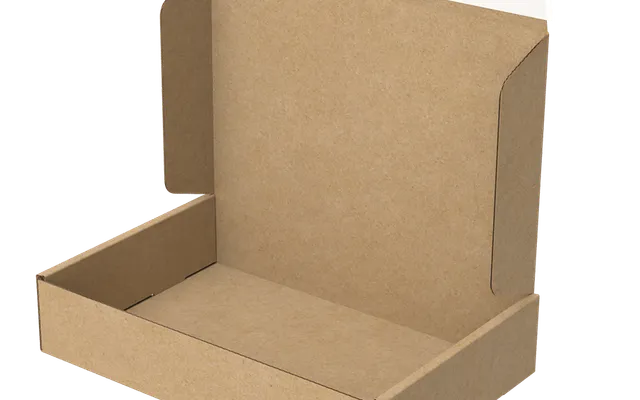
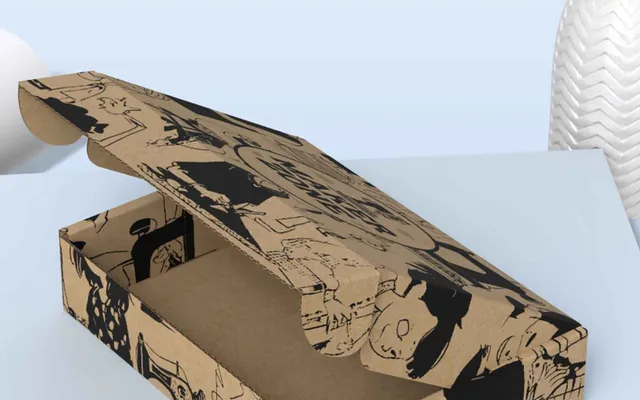
04 folder types. One piece of board, die-cut, folding up around the product with no glued manufacturer’s joint. This family includes the postal boxes: the 0427 roll-end tuck-front mailer with dust flaps, and the 0426 without them. It also includes book wraps and many e-commerce mailers.
05 slide types. Sleeves and outers that slide over an inner tray or another box.
07 ready-glued types. Boxes delivered flat but pre-glued so they erect in one motion, such as crash-lock and auto-bottom cartons.
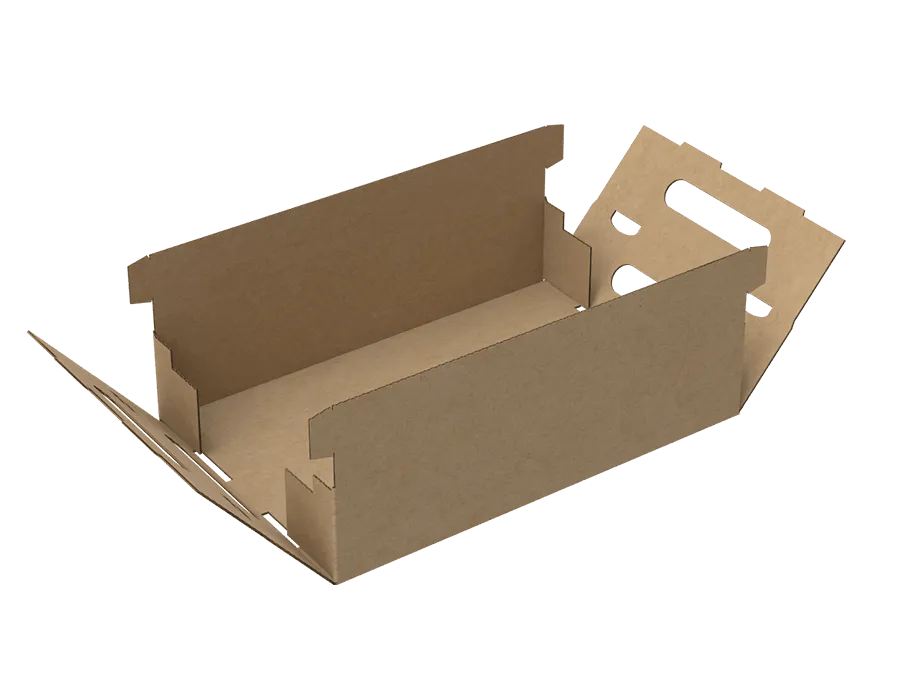
08 display and interior fitments. Display boxes like the 0801, plus dividers, pads and fitments used inside other boxes.
0201 vs 0427: the question every distributor gets asked
The 0201 is a transit case. It is cheap to make, strong for its weight, ships flat and needs tape to close. It is the right answer for cases of product, storage and anything on a pallet.
The 0427 is a mailer. It die-cuts from one blank, folds up with a hinged lid and closes with a tuck-front and no tape. It costs more per unit because of the die-cutting and larger blank, but it packs faster, presents better and can be printed inside for unboxing. It is the right answer for e-commerce and subscription programmes.
Add a peel and seal strip to either and tape leaves the packing line entirely.
Using the code to brief a manufacturer
A complete brief pairs the code with everything the code leaves out:
- FEFCO style (or “bespoke die-cut” if none fits).
- Internal dimensions in millimetres, length × width × height.
- Board grade: single or double wall, flute, and paper weights if known.
- Print: number of colours, Pantone references, position.
- Closure: tape, tuck, crash-lock, peel and seal.
- Quantities and call-off pattern.
With those six items a manufacturer can quote accurately first time. Without them, expect a round of questions before a price.
When the catalogue is not enough
FEFCO covers a great deal, but not everything. Products that need retention, products that need a display function and products with unusual proportions often need a bespoke die-cut design. A good manufacturer will tell you when a standard style will do the job and when it will not, and will cut a sample before asking you to commit to tooling.