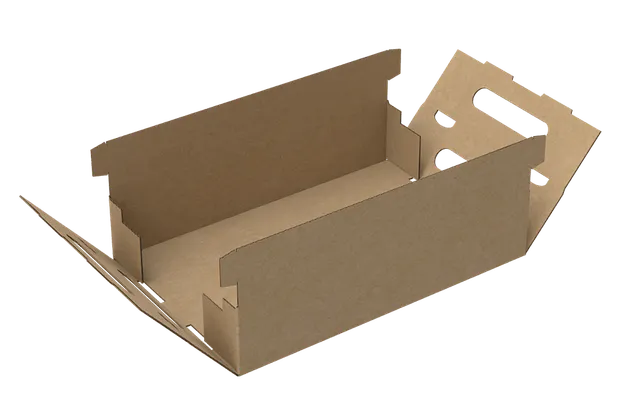
Peel and seal vs tape: what it does to packing-line throughput
Why fulfilment operations are moving from taped cases to peel and seal closures, what changes on the bench, and how to specify the strip correctly.
By Tradepack ·
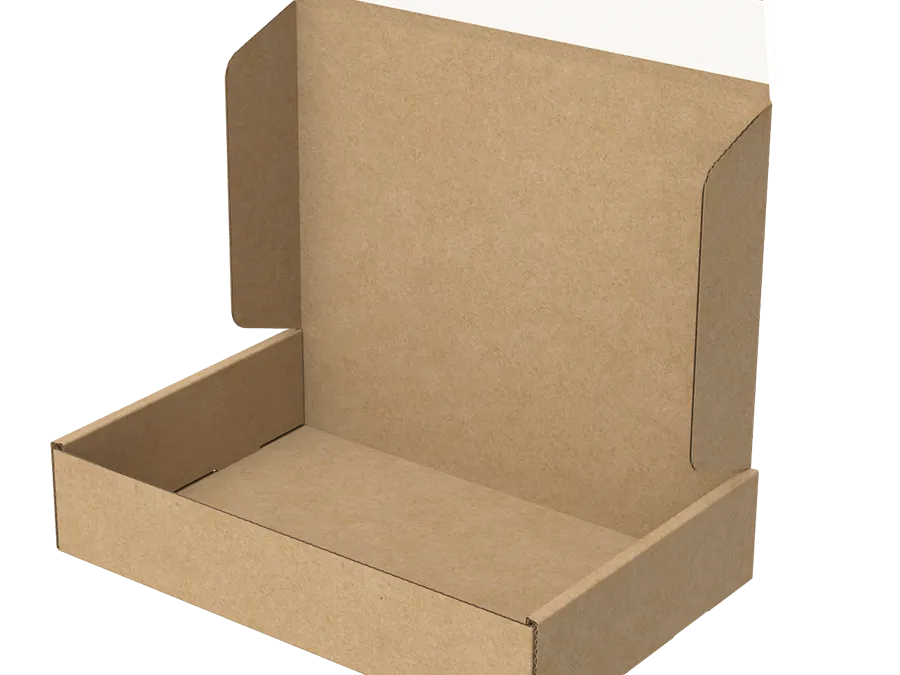
Every taped closure on a packing bench costs the same three things: a tape gun, a second or two of operator time, and a small amount of variability in how well the pack is closed. Multiply that by the throughput of a fulfilment operation and the numbers become significant. That is why peel and seal has moved from a niche mailer feature to a standard specification for e-commerce packaging.
What peel and seal is
A peel and seal closure is a strip of pressure-sensitive hot-melt adhesive applied to the packaging during manufacture and protected by a release liner. At the point of packing, the operator removes the liner, folds the closure and presses it shut. The bond is immediate and permanent: the board will tear before the adhesive lets go.
What changes on the bench
One fewer tool. There is no tape gun to pick up, no roll to change and no tape to run out of.
One fewer decision. Taped closures vary with the operator. Peel and seal closes the same way every time regardless of who packs it.
A cleaner pack. No tape overhanging the edges, no double-wrapping to be safe, and a tamper-evident closure without a separate label.
Easier training. New or seasonal staff reach full speed faster when the closure is peel, fold, press.
A better opening. Recipients open a peel and seal pack without a knife. With a tear-strip, they open it without effort at all, and the pack recycles without tape contamination.
Where it fits
The formats that benefit most are the ones packed in the highest volumes:
- Book wraps for books, media and flat goods, where the strip is standard.
- 0427 and 0426 postal boxes, where a strip replaces or reinforces the tuck.
- 0201 cases with a strip on the outer flaps, for operations that want to keep a familiar case construction.
- Bespoke die-cut mailers designed with the strip position built in.
Specifying the strip
A few details make the difference between a strip that works and one that frustrates the packing team:
- Position. The strip must sit where the flap meets the body under natural hand pressure. This is a design decision, made in CAD.
- Single or dual strip. A second strip lets the recipient reseal the pack for returns. Clothing and footwear retailers specify it routinely.
- Tear strip. A perforated tear-open strip beside the seal gives easy opening and clear tamper evidence.
- Adhesive. Ours is a hot-melt certified 81% renewable and carbon negative, applied inline on the production line so that it adds no separate process.
The cost question
Peel and seal adds a small amount to unit cost. Against that sits the tape itself, the time per pack, the reduction in damaged and badly closed parcels, and the removal of tape from the goods-in stream at the other end. For high-volume operations the closure pays for itself in labour before the tape saving is counted.
Talking to your customers about it
Distributors who sell peel and seal successfully tend to sell the packing line rather than the box. Ask how many parcels per hour the operation packs, how many people are on the bench and what the returns process looks like. The case for the strip is usually in the answers.